
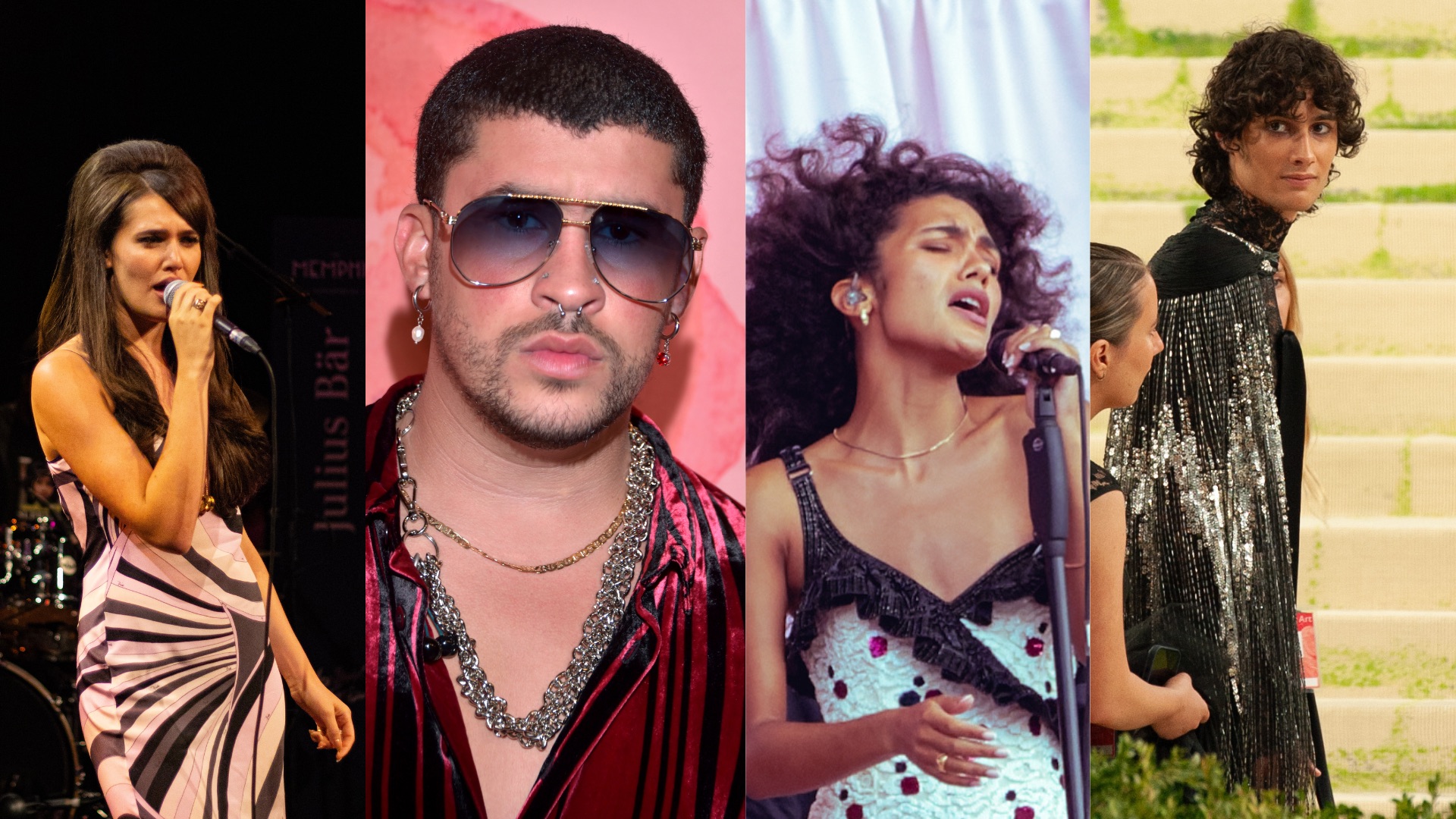
Every generation seems to believe the best music has already been made. But what if we’re so busy looking back that we’re missing what’s happening right in front of us?
Did I read that right?
You may be wondering that, but the truth is, you did. Some of you may pose a very interesting question, “Why wouldn’t there be hope for today’s music?”. And while that makes perfect sense, not everyone would necessarily agree with you.
Throughout history, there’s always been a certain rivalry between generations. Each one seems to think it’s superior in ways that can’t possibly be matched, praising itself for qualities the previous or following generation supposedly doesn’t have and never will. When it comes to music, this rivalry only gets stronger: it’s one of those topics you should never bring up at the dinner table with friends if you don’t want to start an argument, up there with sports and politics.
Were we always this critical?
Every generation believes it grew up with exceptional music, celebrating the production, creativity and originality of its time. Yet as the years pass, yesterday’s experiments become today’s classics, while new releases are compared to music that has already stood the test of time.
For Gen Z, the 2000s have become a source of nostalgia. Genres such as R&B, hip-hop and pop helped define the sound of that era, blending established influences in ways that shaped an entire generation’s musical identity. But the music now considered iconic was once new, too. Its success and cultural impact weren’t guaranteed.
Today, the constant circulation of remixes, samples and AI-generated songs can contribute to the perception that music is becoming repetitive. Social media and streaming platforms also influence what listeners encounter most frequently, making popular trends seem representative of the entire industry.
But what dominates our feeds doesn’t necessarily reflect everything being created. Contemporary music continues to explore new ideas, reinterpret familiar sounds and find different ways to connect with listeners.
What makes music last?
Artists such as Sienna Spiro, Bad Bunny, Olivia Dean and sombr offer four perspectives on contemporary music, from emotional songwriting and cultural storytelling to familiar musical influences and visual creativity.
Sienna Spiro‘s debut album, The Visitor, explores love, pain, inspiration and the fear of losing what makes life meaningful. Her song “Pure”, which debuted at number 100 on the Billboard Hot 100, examines another kind of uncertainty: the fear of running out of creativity.
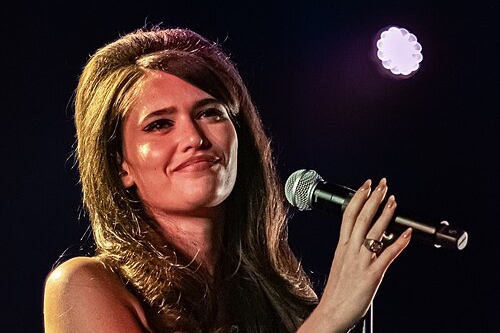
Across the album, Spiro approaches complex emotions through poetic but accessible songwriting. Her work recalls the emotional intensity associated with artists such as Amy Winehouse, demonstrating how vulnerability can become a defining element of an artist’s musical identity.
DeBÍ TiRAR MáS FOToS – Bad Bunny
Bad Bunny‘s DeBÍ TiRAR MáS FOToS explores originality through a different lens. Rooted in Puerto Rican culture, the album combines contemporary production with traditional musical influences, including salsa in “BAILE INoLVIDABLE”.
Its themes extend beyond nostalgia. In “LO QUE LE PASÓ A HAWAii”, Bad Bunny addresses cultural displacement and the importance of preserving local identity. The album demonstrates how music can draw from the past without simply reproducing it, bringing cultural heritage into a contemporary conversation.
Beyond its musical influences, DeBÍ TiRAR MáS FOToS also shows how an artist can reach a global audience without leaving their cultural identity behind. By embracing Spanish-language music and incorporating distinctly Puerto Rican sounds and references, Bad Bunny challenges the idea that international success requires adapting to English-speaking audiences. His work turns cultural specificity into a strength, proving that music can cross borders without losing the identity that makes it meaningful.

The Art of Loving – Olivia Dean
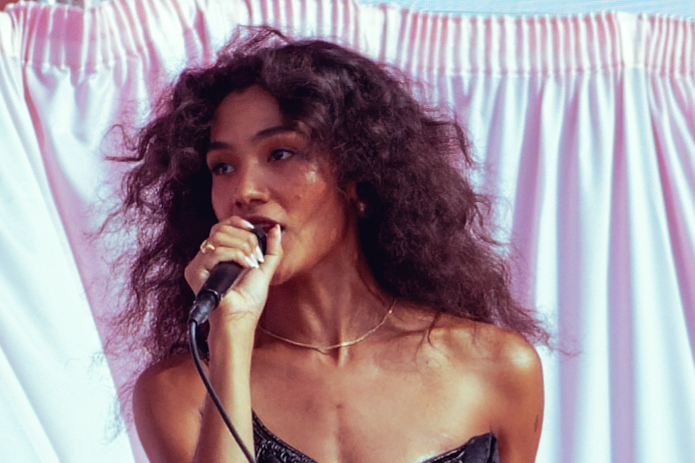
Olivia Dean‘s The Art of Loving also draws on earlier musical influences, combining soul and pop with an intimate approach to songwriting. Tracks such as “Nice to Each Other” and “Man I Need” explore attraction, independence and romantic desire through accessible melodies and distinctive arrangements.
Rather than recreating a particular decade, Dean uses familiar sounds to develop her own musical identity. Her work illustrates how influences from the past can remain relevant when artists reinterpret them through a personal perspective.
Another element that distinguishes her work is its emphasis on emotional honesty. Rather than presenting love as an idealized experience, her songwriting explores the uncertainty, vulnerability and self-awareness that come with relationships. This approach gives The Art of Loving a sense of intimacy that extends beyond its retro-inspired sound. In a musical landscape often shaped by short-form trends, Dean’s ability to create songs that invite listeners to slow down and reflect offers a different kind of appeal.
12 to 12 – Sombr
Meanwhile, sombr‘s “12 to 12” highlights the relationship between music and visual identity. Featuring Addison Rae in its music video, the track builds a glamorous, disco-inspired atmosphere that extends beyond its sound.
This aesthetic continued into sombr’s performance at the 2026 Grammy Awards, where his reflective Valentino look complemented the song’s visual direction. The connection between the music, video and live performance demonstrates how styling, staging and visual storytelling can contribute to the way audiences experience an artist’s work.
These examples highlight different approaches to creativity. Whether through songwriting, cultural expression, musical reinterpretation or visual direction, contemporary artists continue to develop identities that cannot be reduced to a single trend.

Before we call it Nostalgia
These four artists represent only a small part of contemporary music. Across genres, languages and cultures, musicians continue to experiment, including many whose work receives limited mainstream attention.
The way music is discovered also affects how an entire generation is judged. When algorithms and social media repeatedly promote similar sounds, the most visible releases can be mistaken for the full range of music being made.
Nostalgia adds another layer to the comparison. The music of the 2000s has had years to become associated with memories and cultural moments. Today’s artists have not yet had the same opportunity to establish their long-term legacy.
Of course, not every new release will become a classic. But dismissing an entire generation before its music has had time to find its place in history overlooks the way musical legacies develop.
Maybe years from now, we’ll find ourselves turning up the volume on today’s music, feeling nostalgic for a time when we hadn’t yet realized what it would come to mean. And perhaps some of the songs we’re so quick to dismiss today will end up being the ones we call legendary.
featured image:Sienna Spiro, Ph: EGilham, CC BY-SA 4.0, via Wikimedia Commons, Bad Bunny, Ph: Toglenn, CC BY-SA 4.0, via Wikimedia Commons, Olivia Dean, Ph: Raph_PH, CC BY 4.0, via Wikimedia Commons, Sombr, Ph: SWinxy, CC BY 4.0, via Wikimedia Commons


