
A reflection on self-worth, insecurity and judgment through the words of philosophers such as Marcus Aurelius and Jean-Paul Sartre.
Why do we sometimes allow other people’s opinions to influence the way we see ourselves? And why is it so difficult to believe in our own abilities, especially when we are putting something personal out into the world?
I wanted to explore these questions through philosophy and psychology. Perhaps understanding where insecurity comes from, and why we give so much importance to other people’s judgments, can help us change the way we deal with criticism.
Marcus Aurelius, Meditations
The Meditations, also known as To Himself, is a collection of personal reflections written by the Roman emperor Marcus Aurelius throughout his life. In his writings, he explores human nature, happiness, self-awareness and the importance of finding peace within ourselves.
One particularly interesting idea is how easily we allow other people’s opinions to determine our happiness. Marcus Aurelius criticizes himself for neglecting his own worth and seeking validation from others. When we give people the power to decide how much we are worth, we somehow lose part of our independence.
He also reflects on the importance of finding peace within ourselves rather than searching for it in external circumstances. According to Marcus Aurelius, true tranquillity comes from our ability to retreat into our own minds, distancing ourselves from the confusion of everyday life and the judgments of others.
After all, everything is temporary. Our difficulties, our reputation and even the opinions people have about us will eventually disappear. We cannot always control what happens around us, but we can change how we perceive and respond to it.
What I find particularly meaningful is his final reflection: “This world is mere change, and this life, opinion.” Life is constantly changing, and perhaps much of our suffering comes not necessarily from events themselves, but from the meaning we give them.
Jean-Paul Sartre, “Hell Is Other People”
Another philosopher who explored the influence of other people’s perceptions was Jean-Paul Sartre. In Being and Nothingness, he reflects on shame and what happens when we become aware of being observed by someone else. Think about Adam and Eve. Once they become conscious of their nudity, they feel ashamed and cover themselves. But why do we associate being seen with vulnerability? According to Sartre, the gaze of another person is much more than a simple act of seeing. When someone looks at us, we become aware that we exist not only as individuals with our own thoughts and freedom, but also as objects within someone else’s consciousness. In other words, we are no longer the only ones defining who we are. Someone else is interpreting our behaviour and creating their own image of us. This makes us vulnerable because we cannot fully control how others perceive us.
Sartre explores this idea further in his 1944 play No Exit, where three characters find themselves trapped in a room together. Their relationships reveal how deeply judgment and shame can influence our perception of ourselves. This is where his famous statement, “L’enfer, c’est les autres” (Hell is other people), comes into play. The idea is not that other people are necessarily terrible, but that we risk losing our freedom when we become dependent on their judgments to define ourselves. What I find particularly interesting is how this connects to insecurity. Sometimes, we are not simply afraid of making mistakes. We are afraid of what those mistakes might make other people think about us. Perhaps this is why criticism can feel so personal. It is not always about what we have done, but about the image of ourselves that someone else might create.
Why Are We Such Poor Judges of Our Own Abilities?
Philosophy helps us understand why other people’s judgments affect us so deeply. But psychology raises another interesting question: what if we are not particularly good at judging our own abilities?
An article published by Focus, titled “Nessuno è buon giudice in causa propria”, explores why we often struggle to evaluate our talents objectively. The researchers discovered that more capable individuals sometimes underestimate their relative abilities, while less capable individuals may do the opposite. But why does this happen? When we find a task particularly difficult, we tend to assume that we are less competent than others. Conversely, when something feels easy, we may overestimate our abilities. We tend to rely on our personal experiences when judging our competence, without knowing how difficult the same task might be for someone else.
What I find particularly interesting is how this relates to insecurity. Struggling with something doesn’t necessarily mean we lack talent. Sometimes, our perception of difficulty simply doesn’t reflect our actual abilities.
Learning to Believe in Your Own Vision
I personally still deal with insecurity, like most of us do. As a creative person, believing in my own vision can be difficult. Putting yourself out there means sharing not only your work, but also a part of who you are.
This year, I started taking my creative projects more seriously, despite the fear of criticism and not being good enough. What I’m slowly discovering is that the more opportunities you take, the more you learn to accept criticism. Perhaps believing in yourself means recognizing which opinions can help you grow, without allowing them to determine your worth.
As the advertising executive Paul Arden put it:
“If, instead of seeking approval, you ask “What’s wrong with it? How can I make it better?”, you are more likely to get a truthful, critical answer. You may even get an improvement on your idea. And you are still in a position to reject the criticism if you think it is wrong”.
And maybe that is something worth remembering. We cannot prevent people from judging our work, our abilities or our choices. But we can decide how much power we want to give those judgments.
In the end, believing in your own vision does not mean that you will never question yourself again. It means continuing to create, experiment and take opportunities, even when insecurity is still there.
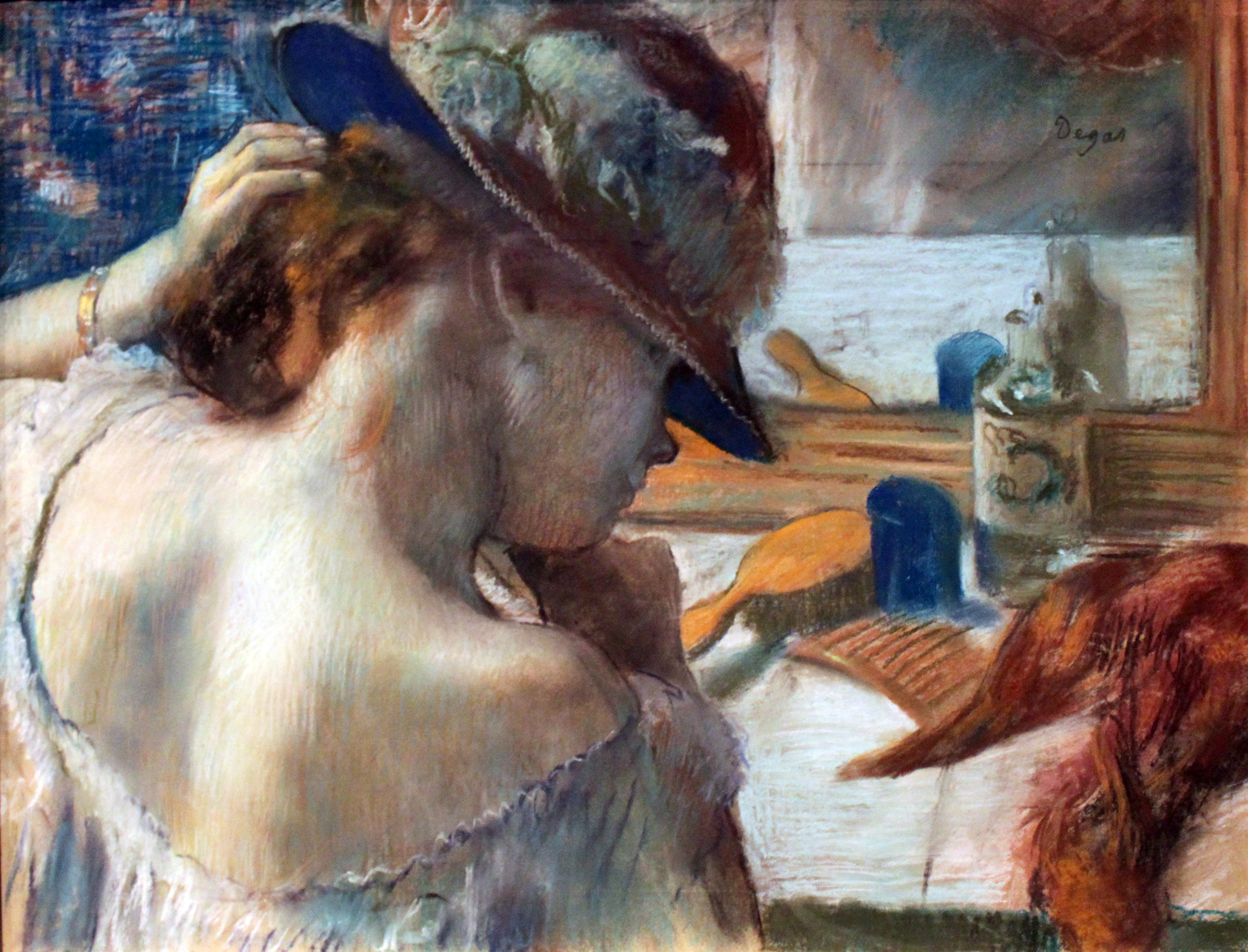
Immagine di copertina: Edgar Degas, Public domain, via Wikimedia Commons


